You don’t feel right — but you sense there’s more that can be done.
I work with people exploring natural or integrative approaches — on their own or alongside conventional care — who want clearer guidance on what to do next.
Clinical Focus
This work places particular emphasis on careful physical examination of the abdomen, integrated within a broader clinical assessment and informed by other relevant physical and clinical findings, with specific attention to how abdominal restrictions influence digestion, bowel function, and elimination.

When “normal” doesn’t explain how you feel
Many people arrive here after being told everything looks “normal,” while still knowing something isn’t right. That disconnect often happens when symptoms are evaluated in isolation — or when test results are reviewed without context.t
Health isn’t just about whether values fall inside a reference range. It’s about how systems function together — and whether the body has what it needs to adapt, recover, and tolerate daily demands.
This work starts by stepping back and looking at the full picture:
how symptoms cluster and evolve
how the body compensates under stress
how structure, physiology, and biochemistry interact
How I work
I approach persistent symptoms by looking at how the system is functioning as a whole — not just whether individual findings fall within expected ranges.
This begins with careful assessment to understand patterns: how symptoms cluster, how they’ve changed over time, and how the body adapts under stress, activity, and rest. This includes hands-on evaluation, with attention to fascial relationships, to better understand how structure and movement are contributing to the overall picture.
When available, this perspective is considered alongside laboratory findings and prior investigations. Looking for overlap across different frameworks helps clarify which patterns are most relevant and increases precision when deciding what to address first.
From there, priorities are established deliberately. The goal is not to do everything at once, but to identify what is most relevant now and to sequence next steps accordingly.

What a visit looks like
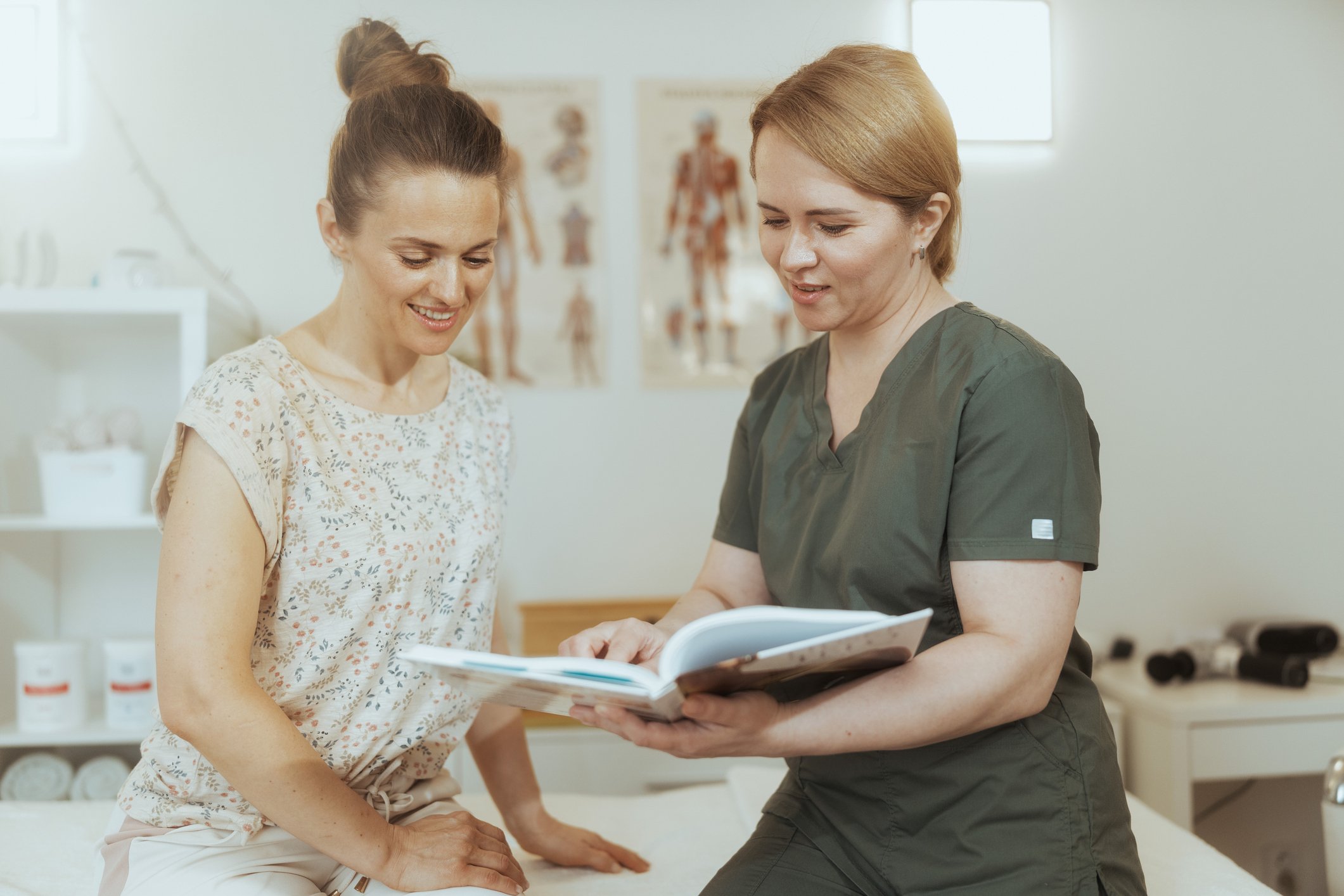
Visits are unhurried and focused on understanding what’s most relevant for you. We begin by reviewing your history, current concerns, and how your symptoms are affecting your daily life, priorities, and capacity.
A hands-on physical assessment is typically part of the visit, helping clarify how structure, movement, and tissue response may be contributing to the overall picture. When useful, laboratory testing is often ordered early on to add another lens and to look for patterns that may not be obvious from symptoms alone.
Together, we discuss what stands out, how different findings may relate, and what feels most important to address first. The goal is clarity and direction — not to do everything at once, but to move forward deliberately, in a way that fits your situation.
Working together
This work is best suited for people who value careful assessment, thoughtful interpretation, and a collaborative approach to care.
Some people come looking for quick answers or predefined protocols. Others are more interested in understanding what’s contributing to their symptoms and taking a deliberate, informed approach forward. This practice is designed for the latter.
Care is guided by what’s uncovered over time, not by a fixed plan. The pace and focus are shaped by your situation, priorities, and capacity.
About
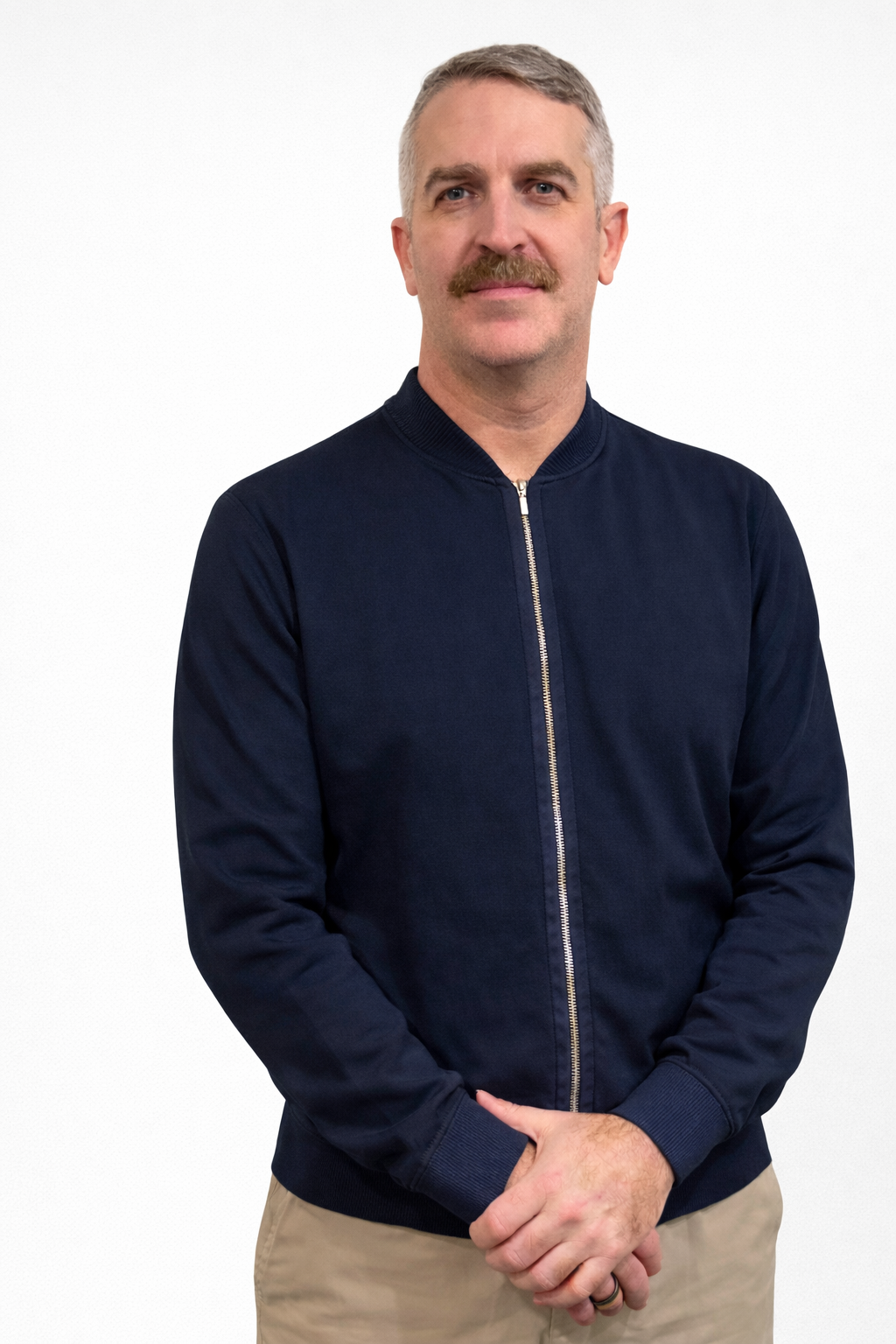
I work as a naturopathic doctor with a focus on understanding how structure, physiology, and biochemistry interact to influence health.
Over time, my clinical work has increasingly centered on careful assessment, pattern recognition, and hands-on evaluation — particularly in cases where symptoms persist, recur, or don’t respond as expected.
My approach draws from naturopathic training, physical examination, and integrative clinical reasoning. I collaborate with other practitioners when additional perspectives or forms of care are helpful.
My role is not to replace conventional care, but to complement it — especially when symptoms don’t fit neatly into a single category or explanation.
Above all, I value clarity: taking the time to understand what’s going on, and explaining it in a way that makes sense.
If this feels like a fit
If you’re looking for a careful, integrative approach and want clearer direction on what to do next, the next step is to schedule an initial visit.
You don’t need to have everything figured out beforehand. The purpose of the first visit is to establish clarity and determine whether working together makes sense.